Dental Emergency Plano TX Care for Fractured Front Teeth
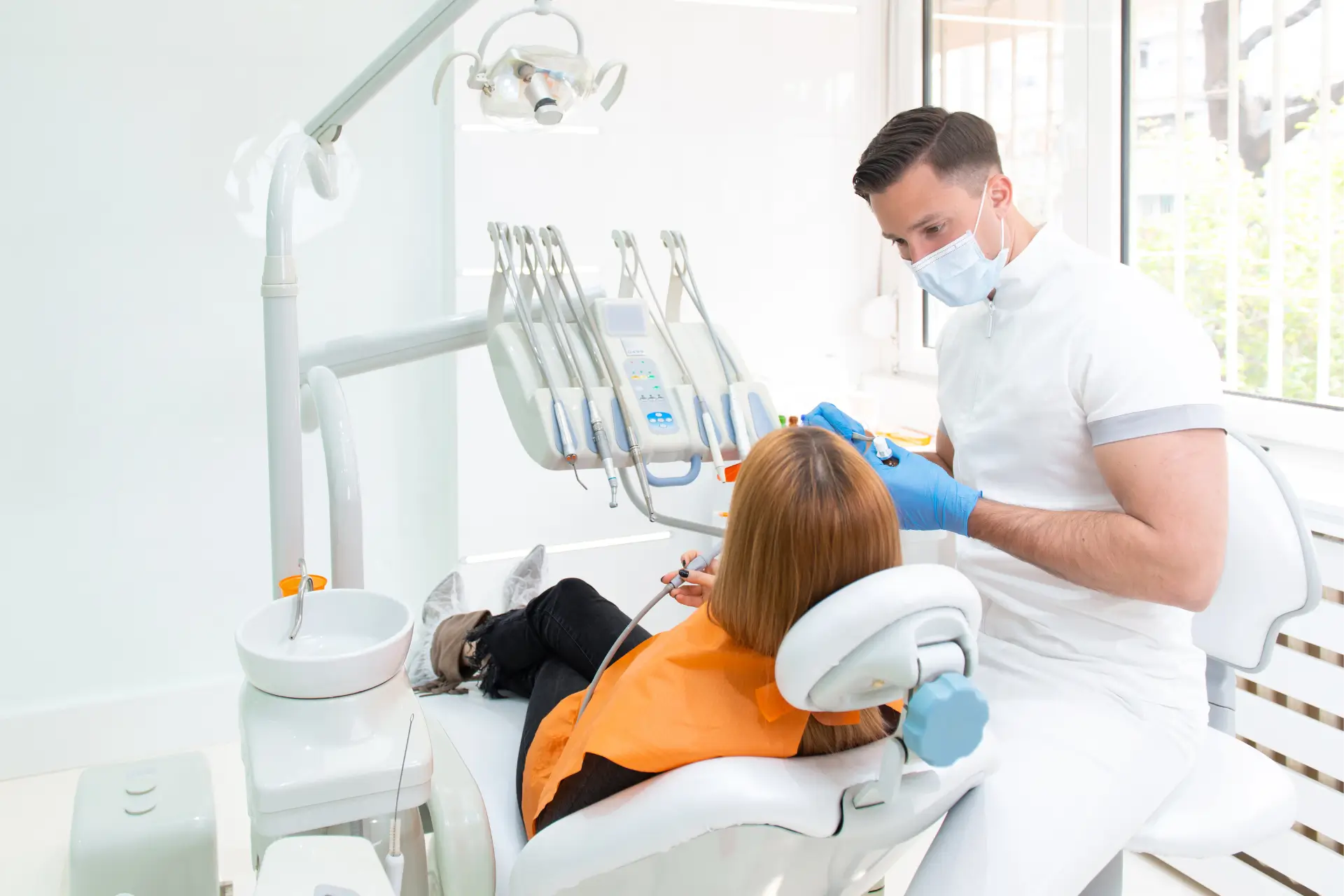
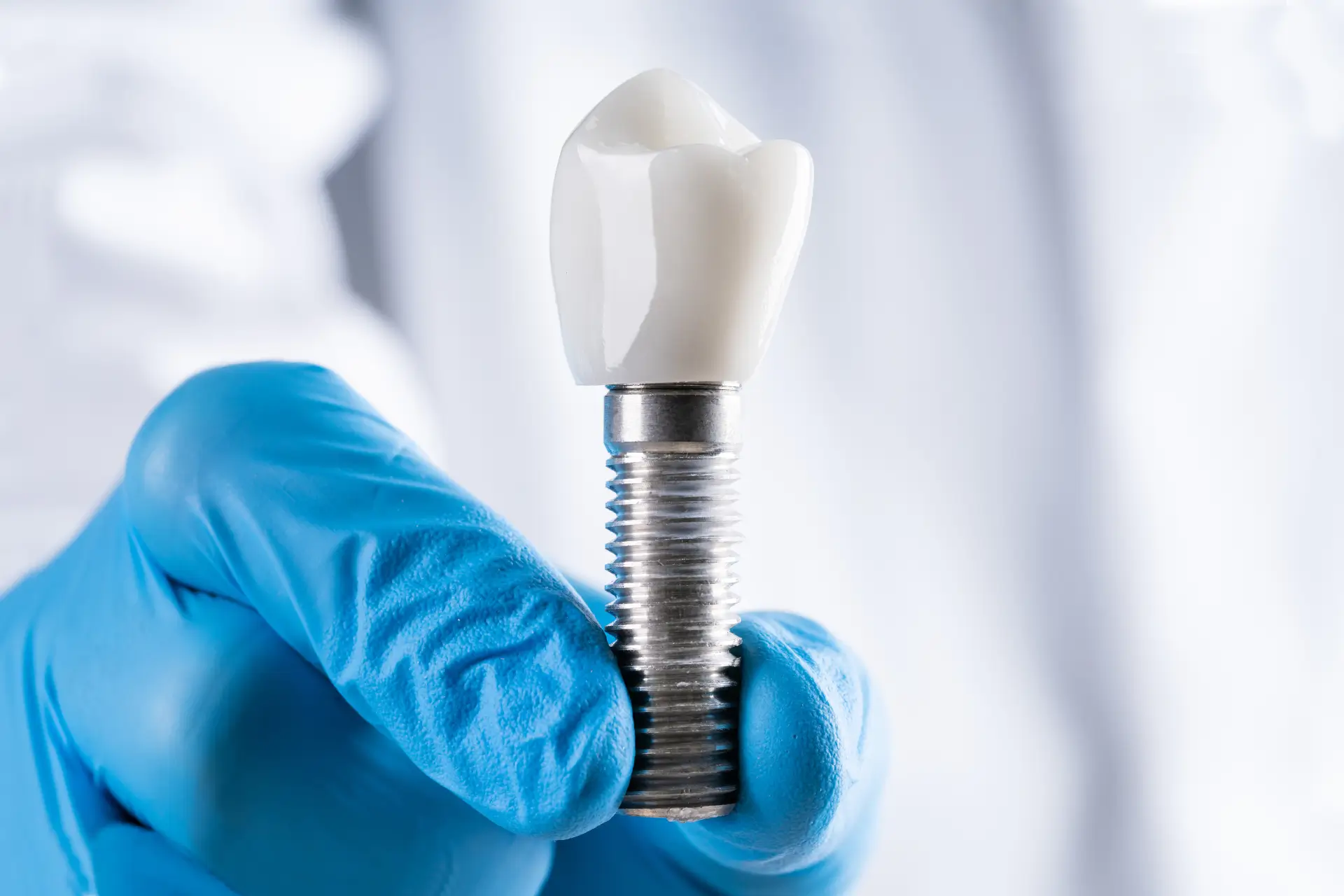
A fractured front tooth has a way of stopping the day cold. One moment, someone is biting into a crust of bread, catching an elbow during a basketball game, stepping off a scooter, or simply tripping on a curb. The next, they are staring at a jagged edge in the mirror and wondering whether the tooth can be saved, how much it will hurt, and how quickly they need help.
Front tooth fractures feel urgent for two reasons. First, they often hurt, sometimes sharply, sometimes with that deep pulsing ache that signals the nerve may be involved. Second, they sit in the center of the smile. Even a small chip can feel huge to the person wearing it. In practice, that combination of discomfort and visibility is why these injuries bring people into same day care more often than many other dental problems.
For anyone searching for Dental Emergency Plano TX services after a front tooth injury, speed matters, but so does judgment. Not every fracture is treated the same way. A clean chip in enamel is a very different problem from a tooth split into the dentin, loosened in the socket, or fractured close to the gumline. The best care starts with calm first aid, a prompt dental evaluation, and a treatment plan that protects both appearance and long term function.
What a fractured front tooth actually means
Patients often use the words chipped, cracked, and broken interchangeably. Dentists do not, because the details change treatment.
A minor enamel chip may only affect the outer shell of the tooth. That type of fracture may feel rough against the lip, but it is often painless and can sometimes be polished or repaired with tooth colored bonding in a single visit. A deeper fracture that exposes dentin usually causes sensitivity to air, cold drinks, and touch. If the crack reaches the pulp, where the tooth’s nerve and blood supply live, pain tends to intensify and root canal treatment becomes more likely.
There is another category that worries dentists even more than a visible chip: the front tooth that took a hit and moved. A tooth can be fractured and displaced at the same time. It may look slightly longer or shorter than the tooth next to it, feel loose, or hurt when the bite comes together. In those cases, the injury is not just cosmetic. It can involve the supporting bone, periodontal ligament, or root.
The front teeth, especially the upper central incisors, are exposed by anatomy alone. They are often the first point of impact in falls, sports injuries, car accidents, and playground collisions. Adults break them on ice, bottle caps, utensils, and accidental contact with hard surfaces more often than they expect. Children and teens fracture them in sports, biking incidents, and roughhousing. Orthodontic history, lip coverage, bite position, and existing large fillings can all influence how vulnerable a tooth is.
The first hour matters more than most people realize
When a front tooth fractures, the first reaction is usually panic. That is understandable, but a few simple steps can limit complications before you reach the dental office.
If there is bleeding, gentle pressure with clean gauze helps. Rinsing with cool water clears the area so you can see whether it is just the tooth or also the lip, tongue, or gum tissue. If a piece of tooth broke off and you can find it, save it in a clean container. Sometimes it cannot be reattached, but occasionally it can help with shade matching or restoration planning. A cold compress on the outside of the lip or cheek can reduce swelling. Over the counter pain relief may help if the patient can take it safely.
What people should not do is just as important. Do not keep testing the tooth by tapping it with a fingernail. Do not chew on it to see whether it still works. Do not use household glue. Do not ignore numbness, severe bleeding, facial trauma, or a bite that suddenly feels off. Those details often tell the dentist the injury is more extensive than the visible chip suggests.
Here is the short version of sensible first aid before you leave for emergency care:
- Rinse gently with water and control bleeding with gauze or a clean cloth.
- Save any broken fragment if you can find it.
- Use a cold compress outside the mouth to limit swelling.
- Avoid eating on that tooth, and stick to soft foods if you must eat.
- Call a dental office promptly, especially if the tooth is painful, loose, sharp, or visibly shortened.
That short window after injury is valuable because exposed dentin can become more sensitive, the pulp can become inflamed, and displaced teeth become harder to manage the longer they sit out of position. If trauma involved a full avulsion, meaning the tooth came out entirely, the timing becomes even more critical. That is a different emergency from a fracture, but the same principle applies: quick action improves the odds.
What dentists look for during an emergency visit
People often assume the dentist will simply “fix the chip.” Sometimes that is all that is needed. More often, a proper trauma evaluation goes further.
The exam usually starts with the story of what happened. Was it a direct blow? A fall? A bite on something hard? Was there loss of consciousness, facial bruising, or jaw pain? The answers help determine whether this is isolated dental trauma or part of a bigger injury pattern that may need medical attention as well.
Then comes a close look at the tooth and the tissues around it. The dentist checks whether the fracture involves enamel alone or deeper structures. The edges are assessed for sharpness and the pulp may be tested for exposure. Gum tissue is inspected for cuts, bruising, and trapped fragments. The tooth is checked for mobility and the bite is evaluated to see whether the upper and lower teeth still meet normally.
Dental X rays are frequently necessary. This is one area where patients sometimes hesitate because the fracture seems obvious. The X ray is not only about the visible break. It helps identify root fractures, bone injury, hidden cracks, or changes in the position of the tooth. In some practices, photographs are also taken for documentation and shade matching.
Pulp testing may or may not be done at the first visit, depending on the injury and the patient’s age. Right after trauma, nerve response can be unreliable. A tooth that does not respond on day one is not automatically dead. That is why follow up matters after an apparently successful immediate repair.
Why front tooth fractures are not all repaired in one standard way
The most experienced emergency dentists resist the urge to promise a fix before the exam. Patients appreciate certainty, but trauma does not always cooperate. The same visible chip can have very different underlying damage.
A small uncomplicated enamel fracture might be smoothed and bonded the same day with beautiful esthetic results. A more complex fracture with dentin exposure can still often be restored with bonding, though the dentist may need to place a protective liner, adjust the bite carefully, and monitor for pulp symptoms. If a substantial portion of the crown is lost, the repair may require a build up and later a veneer or crown rather than a simple bonded patch.
When the pulp is exposed, treatment options shift. In a younger patient with a recently injured tooth and a favorable exposure, conservative pulp therapy may sometimes be considered to preserve vitality. In many adult cases, however, root canal treatment is the more predictable path, followed by a definitive restoration. If the fracture extends below the gumline or deep toward the root, the situation becomes more complicated. At that point, dentists are evaluating restorability, biological width, periodontal implications, and long term prognosis, not just same day appearance.
There are also cases where the tooth can be made comfortable and presentable in the emergency appointment, but the final restoration must wait. Swelling, bleeding, bite trauma, or uncertainty about pulp survival can make a staged approach smarter. Patients sometimes feel disappointed when they hear this, especially when the front tooth is involved. Still, thoughtful staging is often better care than rushing into a final restoration on an unstable tooth.
The treatment options patients most often hear about
For fractured front teeth, the immediate goal is to protect the tooth, control pain, and restore a reasonable appearance. The definitive plan depends on depth, position, and stability.
Bonding is the most common same day option for a modest fracture. It is conservative, efficient, and highly esthetic in skilled hands. The dentist shapes composite resin directly onto the tooth and matches color and translucency as closely as possible. Good bonding can be remarkably natural, particularly when the fracture is limited and the patient’s bite is favorable.
Recontouring is even simpler, though it applies to smaller chips. If the loss is tiny and the edge can be smoothed without compromising the tooth, polishing alone may solve the roughness and cosmetic concern.
Larger defects may call for a crown, especially when substantial tooth structure is missing or a root canal is needed. Veneers can sometimes address esthetic issues after a fracture, but they are not always the emergency answer. They require planning, healthy margins, and enough stable tooth support to justify the preparation.
If the tooth is loose or displaced, splinting may be part of treatment. A flexible splint temporarily stabilizes the injured tooth while the surrounding structures heal. If the root or alveolar bone is fractured, the dentist may coordinate with an endodontist, oral surgeon, or both.
Extraction is the option nobody wants to hear, but occasionally it is the most honest recommendation. A vertical root fracture, a nonrestorable subgingival break, or severe trauma to the supporting structures can leave too little predictable tooth to save. Even then, emergency care still matters because the dentist can manage pain, preserve the site, and discuss replacement options such as a https://maps.app.goo.gl/QUzXgGCYZRKd3nt59 provisional appliance, bridge, or implant planning at the appropriate time.
Appearance matters, and good emergency care respects that
There is a temptation in dentistry to draw a line between “urgent” and “cosmetic,” as if front tooth appearance is secondary. Patients do not experience it that way. A visible fracture changes speech, smile confidence, and social ease immediately. People cover their mouths while talking, skip work meetings, avoid photos, and cancel plans over a broken front tooth. Teenagers can be especially distressed. Adults in client facing professions are not far behind.
That is why the best emergency repair balances biology with esthetics. It is not vanity. It is quality of life.
A good front tooth repair needs more than a generic shade match. The incisal edge length, translucency, contour, and symmetry with the neighboring tooth all matter. Even subtle line angles change how wide or narrow a tooth appears. In emergency settings, perfect artistry may not always be possible in one sitting, especially after significant trauma. Still, experienced clinicians know how to deliver a result that looks respectable immediately and can be refined later if needed.
One practical point patients appreciate is this: numbness, swelling, dehydration, and stress can alter how a tooth looks during the appointment. Color selection for larger restorations may be revisited at a follow up once tissues settle. That is not a mistake. It is careful dentistry.
Pain does not always tell the full story
Some fractured front teeth hurt intensely. Others barely hurt at all. That inconsistency can mislead patients into waiting.
A tooth can have a deep crack and minimal pain at first, especially if the pulp has not yet become inflamed. Then, over the next several days, cold sensitivity rises, biting becomes uncomfortable, or spontaneous throbbing starts. In some cases, the tooth darkens over time because the pulp was damaged during the impact even though the visible fracture seemed minor.
The reverse also happens. A sharp edge exposed to the lip or tongue can feel dramatic even when the structural injury is relatively limited. Either way, visible fracture plus trauma history deserves prompt evaluation. Pain level alone is not a reliable guide.
Children add another layer of complexity because developing teeth behave differently from fully mature teeth. A traumatized child’s front tooth may need long term observation even after a simple repair. The goals can include preserving pulp vitality to support continued root development. That is a nuanced decision, not something that can be guessed from a phone photo.
What usually happens after the emergency appointment
Front tooth trauma often comes with follow up, even when the same day repair went smoothly. The dentist is not just checking whether the bonding held. They are watching the tooth’s biological response.
Typical follow up involves reassessing symptoms, testing pulp vitality when appropriate, reviewing new sensitivity, and taking additional X rays if the injury was significant. Teeth that were hit hard enough to fracture sometimes change over weeks or months. The pulp may recover fully, become inflamed, or lose vitality later. Root resorption, while not common in every case, is another reason monitoring matters after certain traumatic injuries.
Patients should be told what warning signs justify a return visit sooner than scheduled. Those signs include increasing pain, swelling, a pimple on the gum, a loose feeling, color change, or a bite that becomes uncomfortable. It is easier to treat a developing problem early than after infection sets in.
Here are the problems that most often merit a prompt recheck after a front tooth fracture repair:
- Lingering cold sensitivity that gets worse rather than better
- Throbbing pain, especially pain that wakes you at night
- New loosening, shifting, or a bite that feels uneven
- Darkening or graying of the injured tooth
- Swelling, gum tenderness, or a small draining bump near the tooth
Special concerns when the fracture happens in sports or after a fall
Sports related fractures raise predictable questions about return to play. The answer depends on the injury. A polished chip may not limit activity much. A bonded repair that is stable still needs protection, usually in the form of a properly fitted mouthguard before the athlete goes back to contact or ball sports. A displaced or splinted tooth is a very different matter and often requires restriction until healing is further along.
Falls, especially in children and older adults, require a broader lens. In a child, dentists think about growth, future eruption, and whether baby or permanent teeth were involved. In an older adult, medications, balance issues, crowns on other teeth, or reduced bone support may influence both treatment and healing. A front tooth fracture after a household fall is not always just a dental story. It can be a clue that the person needs a wider medical evaluation.
Facial trauma also warrants attention to soft tissue. Lips commonly trap small enamel fragments after impact. If the lip is cut and no one accounted for all the broken tooth pieces, imaging may be needed. Otherwise, a fragment can remain embedded and continue to cause irritation.
How to choose care quickly without making a rushed decision
When someone searches online for a Dental Emergency Plano TX provider, they usually want an open chair now. Availability matters, but so do a few other factors that are easy to overlook in a stressful moment.
A practice that routinely handles trauma tends to ask better phone questions. Staff may ask whether the tooth is loose, whether a fragment was saved, whether there was a head injury, and how long ago the accident happened. Those questions are not red tape. They help the office triage correctly.
It also helps when the office can take diagnostic X rays promptly and explain options clearly instead of promising a one size fits all cosmetic fix. For a fractured front tooth, experience with bonding artistry is valuable, but so is the ability to recognize when the nerve, root, or supporting structures are involved. Sometimes the best emergency dentist is also the one who knows when to bring in an endodontist or oral surgeon.
For patients in pain, transparency about next steps matters almost as much as the treatment itself. If the final restoration will likely take two phases, that should be said up front. If the tooth might need root canal treatment later despite a good immediate repair, patients deserve to know that as well. Real emergency care is not salesmanship. It is clear thinking under pressure.
Protecting the repair and preventing the next fracture
Once the immediate crisis passes, prevention deserves attention. Many fractured front teeth break again not because the original dentistry failed, but because the underlying risk never changed. If a patient clenches or grinds, a nightguard can protect both natural enamel and bonded edges. If a sport caused the injury, a custom mouthguard is often worth every dollar. If the bite puts repeated stress on a front tooth edge, minor bite adjustment or restorative planning may reduce the chance of a repeat fracture.
Diet and habits count too. Biting fingernails, tearing open packages with the front teeth, chewing ice, and cracking seeds with incisors are all common ways people sabotage repairs. Patients usually know these habits are not ideal, but they do not connect them to actual fracture risk until after an emergency.
Bonding itself has a lifespan. Some repairs last many years. Others need maintenance, polishing, or replacement sooner, especially in heavy bite cases. That does not mean the treatment was poor. It means composite restorations on incisal edges live in a demanding environment of force, temperature change, and daily use.
Why fast, thoughtful care makes such a difference
Fractured front teeth sit at the intersection of pain control, esthetics, and trauma management. That is why they should not be treated casually, but they also should not trigger hopelessness. Many front tooth fractures are very repairable. Even cases that involve nerve treatment or staged reconstruction often end with an excellent functional and cosmetic result.
The best outcomes usually come from a simple formula: do calm first aid, get evaluated promptly, and let the treatment fit the actual injury rather than the fear of the moment. For patients looking for Dental Emergency Plano TX care, the goal is not merely to patch a visible chip. It is to protect the tooth if possible, restore confidence, and give that injured front tooth the best chance to stay healthy for years to come.
Vitality Dental
Address: 1220 Coit Rd #106, Plano, TX 75075
Phone number: +19726454100
FAQ About Dental Emergency Plano TX
What can the ER do for a tooth?
An emergency room (ER) can manage pain and treat severe infections with medication, but it cannot fix or pull a tooth.
What is considered a dental emergency?
A dental emergency is any oral health problem that involves severe pain, uncontrollable bleeding, or an infection that threatens your health or requires immediate care to save a tooth.
Is there a 24-hour dental service in Plano, TX?
There is no physical dental clinic in Plano, Texas, that stays open with walk-in staff 24 hours a day, but several offices offer 24/7 phone support, late-night hours, or same-day emergency care.